
Krak card: a free Mastercard that spends your crypto, if you live in the UK or EU
 Available in US
The Krak card is Mastercard debit card from Kraken’s consumer app. It spends from a multi-currency balance, supports Apple Pay and Google Pay, and claims to charge no transaction, FX or ATM fees from Krak’s side. The catch is geographic: as of the review, it is officially available only to residents of the UK and the EU, with “more countries coming soon.” If you live in one of those two regions, hold assets with Kraken, and want a card that converts crypto at the moment of payment, the Krak card is a credible option. If you are elsewhere, you are out of luck for now.
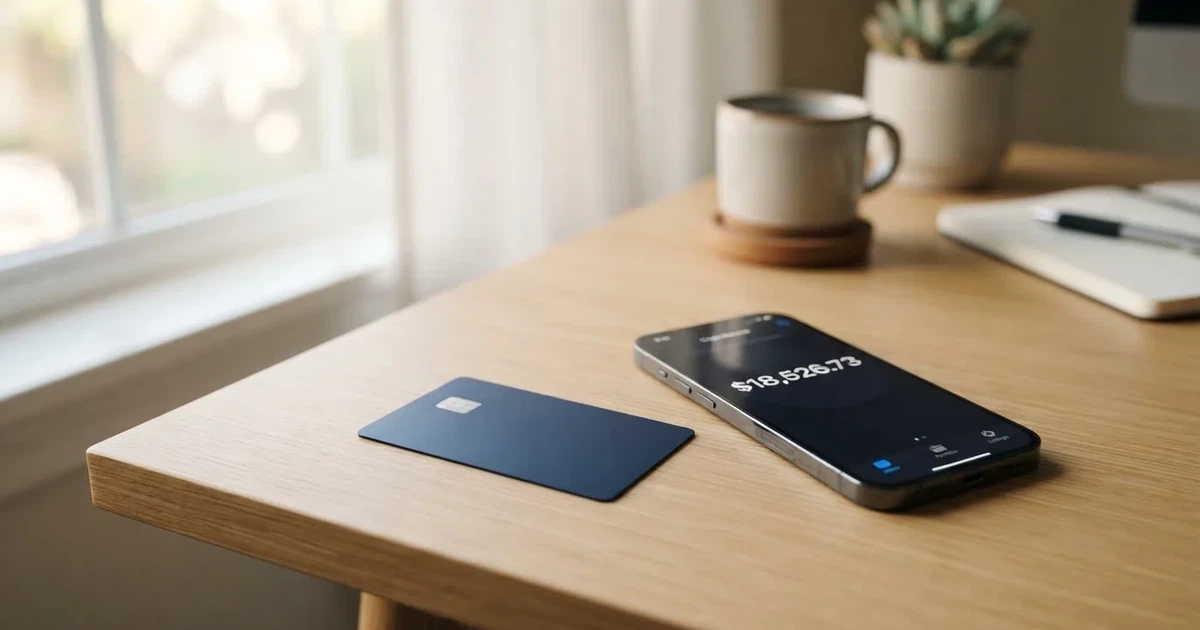
This review looks at who Krak will issue a card to, what the card really costs, how topping up works, and how the card behaves in everyday payments. I will also cover the trust signals that matter for a card backed by a regulated e-money issuer, and the alternatives if Krak is not available where you are.
The conditions and figures on this page are current as of October 28, 2026.
Verdict: 7.1 out of 10, with a clear geographic ceiling
Krak earns a 7.1/10 in my assessment. The card is free to order, has no monthly or annual fee, and Krak does not charge for transactions, FX or ATM withdrawals. It supports Apple Pay and Google Pay, ships in virtual and physical (plastic or metal) form, and runs on Mastercard with a claimed acceptance footprint of 190+ countries. Those are unusually clean terms for a crypto card.
The score is held back by two things. First, availability: Krak is currently open only to UK and EU residents, so the card is not a realistic option for most of the world. Second, the cost story is not quite as free as the headlines suggest. Krak’s own page says “a variable spread applies when spending across assets,” and the size of that spread is not stated in the public materials. The cost row is still strong, but a spread you cannot see is not the same as “no fee.”
| Criterion | Score | Why it earns that mark |
|---|---|---|
| Who can get it | 5/10 | UK and EU residents only; “more countries coming soon” |
| Cost | 9/10 | Free to order, no monthly or annual fees, no Krak fees on spending, FX or ATMs; variable spread on crypto conversion |
| Top-up options | 7/10 | Spends from the Krak Everyday balance with a user-set spend order across 600+ assets; networks not named on the card page |
| Reliability and complaints | 5/10 | Issued by regulated Monavate (UK FCA and Lithuania); third-party reviews are mixed and some report account restrictions after transfers |
| Everyday use | 10/10 | Virtual and physical (plastic or metal) Mastercard, Apple Pay and Google Pay, ATM access in 190+ countries with no Krak fee |
| Total | 7.1/10 |
The audience Krak serves best is a UK or EU-based Kraken user who already holds assets on the platform, wants to spend crypto without selling it on an exchange first, and values a clean fee structure. If you are outside the UK and EU, the card simply is not an option today.
Who Krak will give the card to
Krak is currently available to residents of the UK and the EU, with more countries coming soon. The card’s own page describes availability in those terms, and a footnote reminds readers that geographic restrictions apply. In other words, eligibility is residence-based: where you live is what Krak screens for, not your citizenship.
That said, the help centre describes the underlying personal accounts slightly differently. According to a Krak help article, personal accounts can be opened by residents of the UK, the EEA and the United States. There is a real tension between “UK and EU” on the card page and “UK, EEA and US” in the help article, and Krak has not reconciled the two on the public pages I read. If the card page is the source of truth, US residents will hit a wall at the card step even if they can open an Everyday account. The general rule stands: the card is for UK and EU residents today, full stop.
Outside those regions, you cannot currently order the card. Krak says more countries are coming, but there is no published timeline. If you are a Kraken exchange user in Latin America, Asia or Africa, you will need a different product.
One other consequence of the residence-based rule: it is the address you give to Krak and the documents you provide at KYC that matter. If you are a citizen of a country outside the UK and EU but live in, say, Germany, you should be eligible. If you have moved away and still use a UK or EU address, you should be eligible until you update it. The flip side is that once you update your address to a country Krak does not yet serve, your card is likely to stop working.
How to get a Krak card
The path to a Krak card is: open a Krak account, complete KYC, and order a card. The card page says you must have a verified Krak account with completed KYC before you can order one. Krak does not publish the full document list on the card page, but a verified account typically means identity verification through Kraken’s standard onboarding, and you need to be at least 18. The e-money issuer, Monavate, also has to verify your identity before the card is actually issued.
The card comes in three forms:
- Virtual card, ordered in the Krak app and usually available within minutes.
- Physical plastic card, free, in orange or black, shipped free to UK and EEA delivery addresses. Standard plastic card delivery time is not stated on the official page, though a third-party source puts it at around 14 business days.
- Metal card, stainless steel, 16 g. The metal card is not a free upgrade: you need an average of GBP or EUR 50,000 in combined assets across Krak, Kraken and Kraken Pro to qualify. If you do not meet that threshold, the metal card is not offered.
A few practical notes that often get missed:
- The card is a Mastercard debit card. Spend in 600+ currencies, with the card settling in your card’s primary currency.
- Physical card delivery is to UK and EEA addresses only, and Krak does not state a delivery time on its public pages.
- If you lose a physical card, replacement costs $4.99 (or equivalent in the card’s currency) per the Monavate-issued terms. A third-party source puts metal card replacement at GBP/EUR 60, which is higher than the standard $4.99 replacement.
- Virtual and physical cards are cancelled separately. Cancelling one does not cancel the other.
What the Krak card really costs: Fees
Krak’s headline is unusually clean: the card is free to order, and there are no monthly or annual fees. Krak also says there are “zero transaction fees, FX fees, ATM withdrawal fees or monthly fees on your spend.”
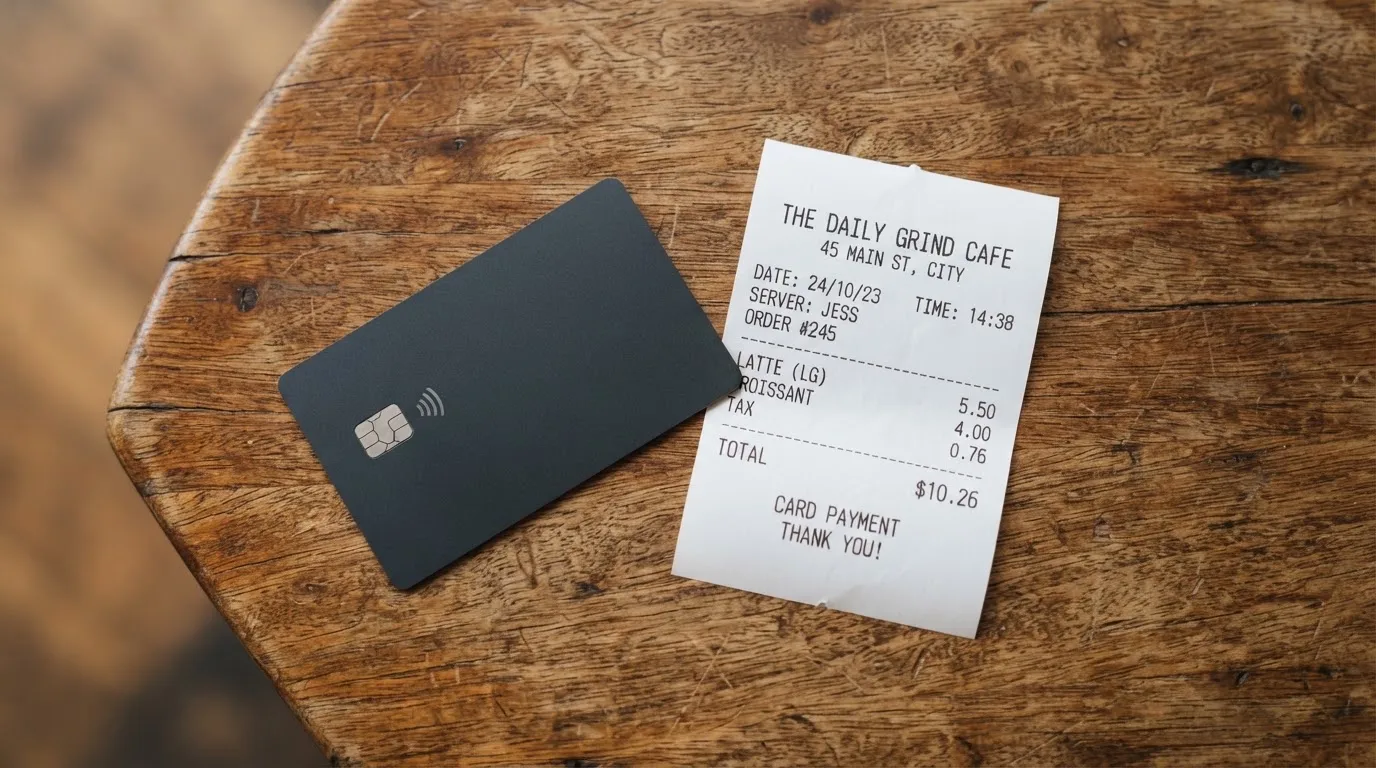
That is a strong promise, and the public materials do not contradict it directly. The one thing the card page does call out is that a “variable spread applies when spending across assets,” and the size of that spread is not published. In practice, that means Krak does not charge a percentage on each transaction, but the rate at which your crypto is converted to the card’s fiat currency includes a spread. A spread you cannot see is harder to plan around than a stated percentage, but it is the standard way crypto cards price conversion rather than as an explicit line item.
The other hidden line is the ATM. Krak charges no ATM withdrawal fee itself, and you can use the card at ATMs in 190+ countries. But the third-party ATM operator may still charge its own fee, and that fee is shown on the ATM screen before you commit. Krak also does not publish a free allowance: there is no “X free withdrawals per month and then $Y per withdrawal” structure. The only stated cap is the daily, weekly and monthly limits in the app, and the size of those limits varies by region.
For hotels and car rentals, an extra 10–20% pre-authorisation hold is common, and the unused portion can take up to seven days to clear after check-out.
| Fee or limit | Value |
|---|---|
| Card issuance | Free (standard virtual and physical) |
| Metal card issuance | Requires GBP/EUR 50,000 average combined assets; pricing for ordering not stated |
| Monthly fee | None |
| Annual fee | None |
| Transaction fee (Krak) | None |
| FX fee (Krak) | None; Mastercard rate passed through, plus a spread on the sell side when spending crypto |
| ATM fee (Krak) | None; third-party ATM fees may apply |
| Card replacement | $4.99 (or equivalent in card currency); metal card replacement higher per third party |
| Daily, weekly, monthly limits | Set per region, shown in the app; not published on the card page |
To make the cost story concrete, here is what three everyday payments look like:
- Coffee in London with a UK GBP card. You tap, Krak takes the GBP from your Spend Order (fiat first if you set it that way, then a chosen crypto). No Krak transaction fee, no FX fee, the spread sits in the conversion rate. The only variable cost you actually see is the spread.
- Dinner in Berlin on a EUR card paid from USDC. Krak converts USDC to EUR at the Mastercard rate, with Krak’s spread on the sell side. There is no separate FX fee from Krak. Whether USDC is supported as a card spend asset depends on what Krak has enabled for cards, which is a smaller list than the 600+ assets offered in the app.
- ATM withdrawal in a third country outside the UK and EEA. Krak does not charge its own fee, but the local ATM operator can. Krak’s daily, weekly and monthly limits apply.
The honest summary: in pure fee terms, Krak is generous. In cost terms, the spread on crypto conversion is the number you cannot see and that is what you have to think about.
Top up: how to fund the card
The card does not have its own balance in the way a prepaid travel card does. It spends from your Krak Everyday account, and the Krak app lets you set a Spend Order that decides which assets are drawn and in what sequence. Krak offers more than 600 assets in the app, but the card does not work with all of them; assets that the card cannot spend show “Unavailable” in the Spend Order, and you spend from the assets that are enabled.
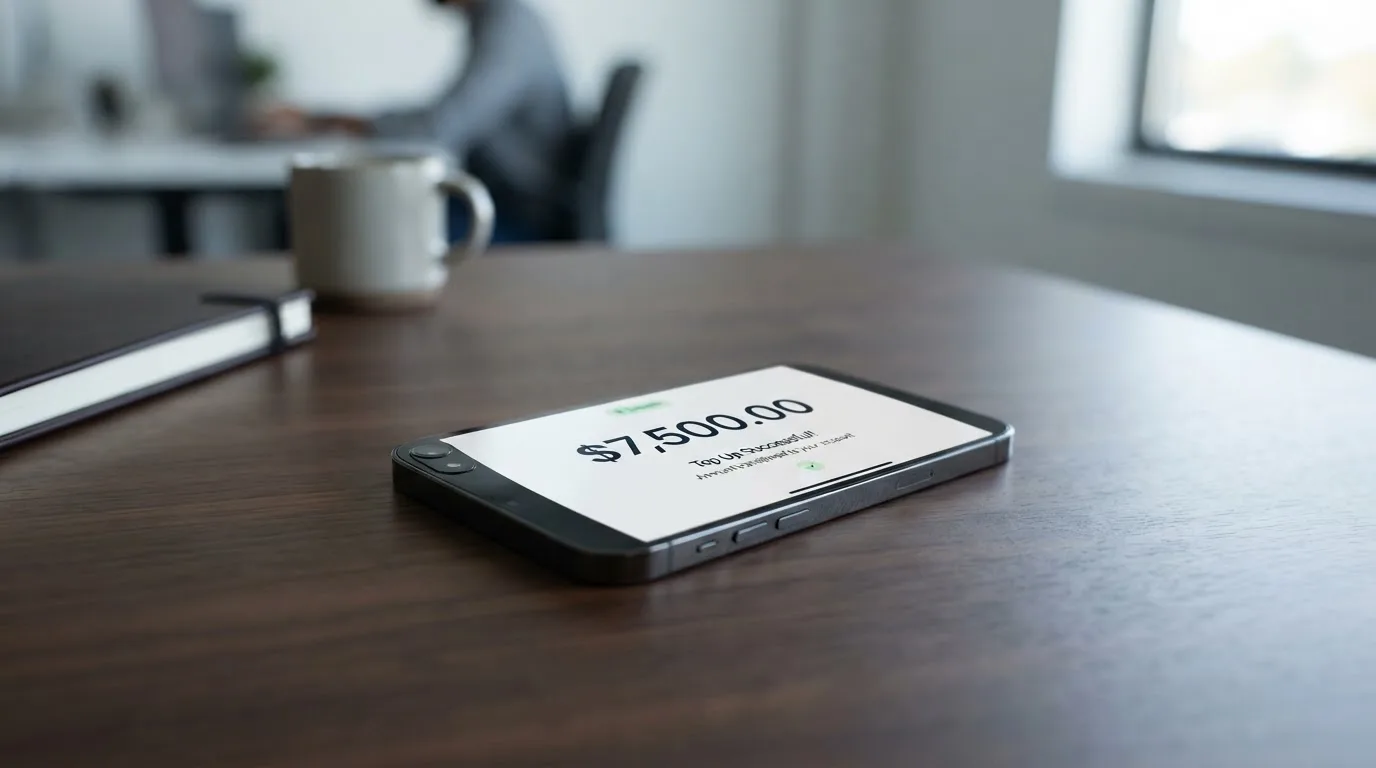
Fiat balances can also be spent, and the practical effect is that you choose the order. If you set USDT first, then EUR, then a volatile coin, the card will try to spend USDT, fall back to EUR, and only then touch the volatile coin. The order is the lever you have for managing how much volatility you take on at the till.
On the deposit side, you can top up the Everyday account “at any time in the app.” Krak supports fiat funding via Plaid (EUR and GBP) and PayPal, and articles on the Krak help centre describe how these flows work. Some deposit methods carry a three-day withdrawal hold, which is a standard measure for new payment rails and not a Krak-specific problem. Deposit minimums and any deposit fees are not stated on the card pages I read, so check the app at deposit time.
The networks on which you can deposit crypto are not listed on the card page, and that is a meaningful omission. Crypto deposits to a custodial platform always depend on which blockchain the platform supports, and a deposit on the wrong network can be lost. The general rule with any custodial deposit, including Krak, is to send a small test amount first on the network the app tells you to use, and to make sure the wallet you are sending from has the native asset to pay network gas. Tether’s USDT, for example, has been issued on Ethereum, Tron, Solana, Polygon and Avalanche, and the gas token differs by network. A USDT-on-Tron wallet needs TRX for fees; a USDT-on-Ethereum wallet needs ETH. If you have USDT but no gas token, the transaction will not go through.
| Top-up method | Notes |
|---|---|
| Krak Everyday fiat balance (EUR or GBP) | Spent directly when chosen in the Spend Order |
| Crypto (600+ assets offered, subset available for card) | Assets marked “Unavailable” cannot be spent at the till |
| Plaid (EUR/GBP) | Bank transfer funding for the Everyday account |
| PayPal | Documented in the Krak help centre |
| Deposit fees and minimums | Not stated on the card page |
| Networks for crypto deposit | Not named on the card page; check the app before sending |
A small withdrawal-style footnote: the card FAQ does not describe how to withdraw your card balance back to a bank account or as crypto. The standard move is to cancel the card by contacting Krak Support, and if the agreement ends within six months, a fee may apply. Closing the underlying Kraken E-Wallet also terminates the Monavate card agreement, which is worth knowing if you ever decide to leave Kraken entirely.
Paying with the card every day
The card behaves like a normal Mastercard debit card at the till. You tap, insert or swipe, and Krak pulls from your Spend Order. There are a few small things worth knowing about how the card performs in real life.
Mobile wallets. Apple Pay is officially supported. The card can be added to Google Pay too, though the help-centre wording is less prominent than Apple Pay. Once the card is tokenised in the wallet, you do not have to reach for the physical card, and you can freeze or replace the card from the app without losing the wallet token.
Cashback. Krak advertises “up to 2% cashback in cash or crypto” depending on the average assets you hold across Krak, Kraken and Kraken Pro. For travel booked through Krak Concierge, the published cashback goes up to 4%. The exact rate at your balance tier is shown in the app.
ATM withdrawals. Available in 190+ countries, with no Krak fee and any third-party ATM fee disclosed on screen. ATM limits are regional and shown in the app.
Disputes and refunds. If a transaction is wrong, you open it in the app and tap “Get help with this transaction.” Refunds return to the Everyday account in the card’s primary currency; if you paid in crypto, the refund is not automatically converted back. The complaint clock is 24 hours to acknowledge and 15 business days to a final response in the UK (extendable by 20) and 15 business days in the EEA (extendable to 35). A 14-day cooling-off refund of fees is offered. A Kraken help article goes further and says disputes can take 45–60 days, which is longer than the formal complaint window, and that gap is worth bearing in mind if you ever do need to dispute a charge.
Card controls. You can freeze, unfreeze or replace the physical card from the app instantly. You can also block individual currencies from being spent through the Spend Order, which is a useful safety valve if you do not want a particular volatile asset leaving the account at the till.
App. Krak is available on iOS (App Store) and Android (Google Play). Ratings on the official pages are not stated, so check the current store listings before you download.
A few things the card page does not state, which are worth flagging:
- Which merchant category codes are blocked. The category of merchant (for example, gambling) is normally set by the issuer’s policy, and Krak does not publish a blocked list.
- Whether 2FA is enforced for card actions like freeze or replacement.
- Whether contactless transactions need a PIN after a certain cumulative amount. A third-party source cites GBP 300 in the UK and EUR 150 in the EEA as thresholds, but that is not stated on the card page itself.
What can go wrong
Crypto cards live in a strange regulatory zone. They are payment cards, so the issuing bank or e-money institution has to be licensed, and they are crypto products, so the platform behind them has to comply with separate crypto rules. The interesting failure modes sit at the seam between those two.
Krak’s card is issued by Monavate, a UK-based e-money institution authorised by the Financial Conduct Authority (Firm Reference Number 901097, company number 12472532). For EEA cards, the issuer is Monavate UAB, authorised in Lithuania under licence number 92. Both are real licensed entities, and the fact that Kraken chose an established EMI rather than issuing the card itself is a trust-positive. The Krak Everyday account itself is an e-money account issued by Kraken, not by Monavate, and that distinction matters for safeguarding.
The complaints picture is mixed. Krak’s app on Trustpilot shows a 3.8 out of 5 from about 34 reviews in one listing and a 1.9 from about 126 in another, with sources disagreeing; the lower score is the one with more reviews and is the figure to take seriously. The recurring complaint theme is accounts being restricted after a bank transfer or deposit, with funds temporarily inaccessible and only generic replies from support. A July 2026 Reddit thread describes an 11-day security review that suspended deposits, withdrawals and card use, with Kraken support later acknowledging the delay. A UK cardholder also reported terminals asking for a signature instead of a PIN, and a delayed refund on a disputed transaction. None of this is unique to Krak, and it is the same pattern that gets reported on every major crypto card, but it is the lived experience the lower Trustpilot score reflects.
A third-party aggregator, without naming a specific date, also reports card payments failing for several hours in the UK and EEA at different points, automatic freezes triggered by small transfers from sanctioned addresses, and an undisclosed spread on conversions. The same source mentions a Bank of Lithuania fine or warning for Monavate UAB around anti-money-laundering and safeguarding, which I could not independently confirm from a primary source. The card page itself does not list any official incidents.
On the regulatory side, the card sits in a transitional period under the EU’s Markets in Crypto-Assets Regulation (MiCA). MiCA’s stablecoin rules applied from 30 June 2024 and the remaining crypto-asset service provider rules applied from 30 December 2024, with a transitional period that ends on 1 July 2026 (or earlier, when a provider is authorised or refused). The card programme will have to settle into the new regime, and the e-money side will continue to be governed by e-money and payment services law, which is not the same as bank-deposit protection. UK e-money is not covered by the Financial Services Compensation Scheme, and the EEA wallet has no deposit-guarantee coverage either, according to a third-party source. That is a normal feature of e-money, but it is worth knowing: the funds on the card are not the same as a bank deposit.
The broader risk to keep in mind is programme closure. The card network (Visa or Mastercard) licenses the issuer, and either side can withdraw. Visa’s termination of FTX in November 2022 and the 2018 suspension of WaveCrest, which supplied several crypto card brands, are the standard reference points. In practice, a closure means a notice period, then spending and loading are stopped, then a window to withdraw the remaining balance. The card’s terms leave the door open for the Monavate agreement to be terminated if you close the underlying Kraken E-Wallet.
What to take instead
Krak is not the only crypto card on the market, and depending on where you are and what you want, one of the alternatives may be a better fit.
Bybit Card. The Bybit Card has the widest geographic spread of any card I have looked at, with regional programmes in Argentina, the AIFC in Kazakhstan, Georgia, Kazakhstan, Australia, Mexico, Brazil, Peru and an Asia Pacific region. It is not for EU customers at all: the cards page says participation is “strictly prohibited” for the European Economic Area. Rewards are points-based, with rates up to 10% at the top tier, but from October 2026 only crypto-funded spending earns rewards, and there is a mix of issuance, FX and crypto conversion fees that vary by region. Useful if you are in Latin America, the CIS or Asia Pacific and cannot get a Krak card. Score 6.0/10.
Coinbase Card. A Visa prepaid debit card available in all US states except Hawaii. It is a straightforward “spend your Coinbase balance” product: zero spending fees, no annual fees, and a spread at conversion. Optional crypto rewards on every purchase, with the rate variable and shown in the app. Useful if you are a US Coinbase user who wants a no-frills way to spend crypto from an existing balance. Score 6.4/10.
OKX. A Mastercard virtual debit card in euros, launched in the EU plus Norway at the end of January 2026, with Iceland and Liechtenstein excluded. Spend is funded from USDC or USDG held in OKX Pay, with no transaction fee and no OKX FX fee; the conversion spread is the cost, and the explainer puts it at 0.1% (though the launch press release cited 0.4%, and the two numbers have not been reconciled publicly). Cashback is on USDG purchases only, with tiered rates up to 10% for the top VIP level, though the explainer text and the table disagree on the top rate. Useful if you are an OKX user in the EU and live in a country that does not yet have a Krak card. Score 6.2/10.
If you are choosing between these, the decision is mostly about geography and what platform you already use. Krak fits a UK or EU Kraken user. Bybit fits a non-EU emerging-market user. Coinbase fits a US user. OKX fits an EU OKX user who is comfortable holding USDC or USDG on the platform.
Who I would recommend the Krak card to
Krak is worth a serious look if you are a UK or EU resident with assets on Kraken, do not want to sell crypto on an exchange before spending, and care about a clean fee structure. The card is free, has no monthly cost, and the variable spread on conversion is the only real cost. Apple Pay and Google Pay support means you can leave the physical card at home most of the time, and the 190+ country ATM footprint with no Krak fee is a strong point for travel.
It is less interesting if you are not in the UK or EU. The card is simply not available where you are, and “more countries coming soon” is not a date. If you are a heavy traveller who holds assets across multiple platforms and needs the card to work everywhere, the geographic ceiling is a real constraint. If you want a metal card and do not have GBP or EUR 50,000 sitting on the platform, the standard plastic card is the only option.
The trust picture is fine, not exceptional. Monavate is a real FCA-authorised e-money issuer and Monavate UAB is a real licensed Lithuanian EMI. The Trustpilot story is divided, and the lower score (1.9 from 126 reviews) reflects real user frustration with account freezes after transfers and slow dispute handling. Those are the kind of issues that come with a custodial crypto product, and they are not unique to Krak. If you are uncomfortable with the idea that your funds sit in an e-money account rather than a deposit-guaranteed bank account, a crypto card is probably not the right product class for you in the first place.
The honest summary: Krak is a good card for its target audience, and the fee story is genuinely better than most of the alternatives. The score of 7.1/10 reflects a product that does what it says, with the spread as the only opaque number, and a geographic ceiling that limits who can actually use it.
Frequently asked questions
What is the Krak card?
The Krak card is a Mastercard debit card issued by Monavate (and Monavate UAB in the EEA) that spends from a Krak Everyday account. Krak is Kraken’s consumer app, so the card is the spending front-end of the Kraken ecosystem. It comes in virtual, plastic and metal versions.
Is Krak a bank?
No. Krak is an app from Kraken, and the card is issued by Monavate, an FCA-authorised UK e-money institution. The Krak Everyday account is an e-money account issued by Kraken, not a bank account, so funds are not protected by deposit guarantee schemes in the way a UK or EU bank deposit would be.
Who owns Krak?
Krak is the consumer brand of Kraken, the cryptocurrency exchange. The card itself is issued by Monavate (UK) and Monavate UAB (Lithuania). Krak is a programme manager and front-end; Monavate holds the e-money licence.
Is the Krak card available in my country?
Officially, the card is for residents of the UK and the EU, with more countries coming soon. A Krak help article mentions personal accounts being available to UK, EEA and US residents, which is broader than the card page’s wording, but the card page is the source of truth for the card and currently says UK and EU only.
How do I get a Krak card?
Open a Krak account, complete identity verification (KYC) and order the card in the app. The virtual card is usually available within minutes; the physical plastic card is shipped free to UK and EEA addresses. The metal card is available only if you hold an average of GBP or EUR 50,000 across Krak, Kraken and Kraken Pro.
Does the Krak card require KYC?
Yes. You need a verified Krak account with completed KYC before you can order a card, and Monavate also has to verify your identity before the card is issued. The full document list is not published on the card page, but a verified Kraken account and being at least 18 are the basic requirements.
Is the Krak card free?
The card itself is free to order, and there is no monthly or annual fee. Krak does not charge its own transaction, FX or ATM fees. The cost that does apply is a variable spread on conversion when you spend crypto, and the size of that spread is not published.
How do I top up the Krak card?
The card spends from your Krak Everyday account. You set a Spend Order in the app to choose which assets (fiat or crypto) are drawn and in what order, and you top up the Everyday account from a bank via Plaid (EUR/GBP), via PayPal, or by depositing crypto. Some deposit methods carry a three-day withdrawal hold, and the supported networks for crypto deposit are shown in the app at deposit time.
How do I add the Krak card to Apple Pay or Google Pay?
Open the Krak app, select the card and choose “Add to wallet.” Apple Pay is officially supported; Google Pay works too, though it is less prominently advertised. Once the card is in the wallet, you can freeze or replace the card from the app without losing the tokenised version.
Is the Krak card safe?
The card is issued by FCA-authorised and Lithuania-authorised e-money institutions, with card controls in the app, real-time transaction monitoring, and the ability to freeze the card instantly. The funds themselves sit in a Kraken-issued e-money account that is not covered by deposit guarantee schemes, so the risk you carry is the same counterparty risk you carry with any custodial crypto platform. There is no guarantee scheme that will make you whole if Kraken or Monavate fails, beyond the safeguarding that e-money institutions are required to maintain.
Exchange cards – cryptocardsearch.com
Content created by the «cryptocardsearch.com» team