
A prepaid Mastercard that draws on a crypto-funded Volet balance, useful when a regular bank card is hard to get
 Available in US
Volet runs an e-wallet and a set of payment cards (digital, plastic, virtual) under the Mastercard and Visa networks. The cards draw on a fiat balance you fund either with a regular bank card or by depositing crypto (USDT, USDC, BTC, ETH and others) and converting it inside Volet. In short, you top up, the wallet converts, and the card spends the result like any other prepaid card.
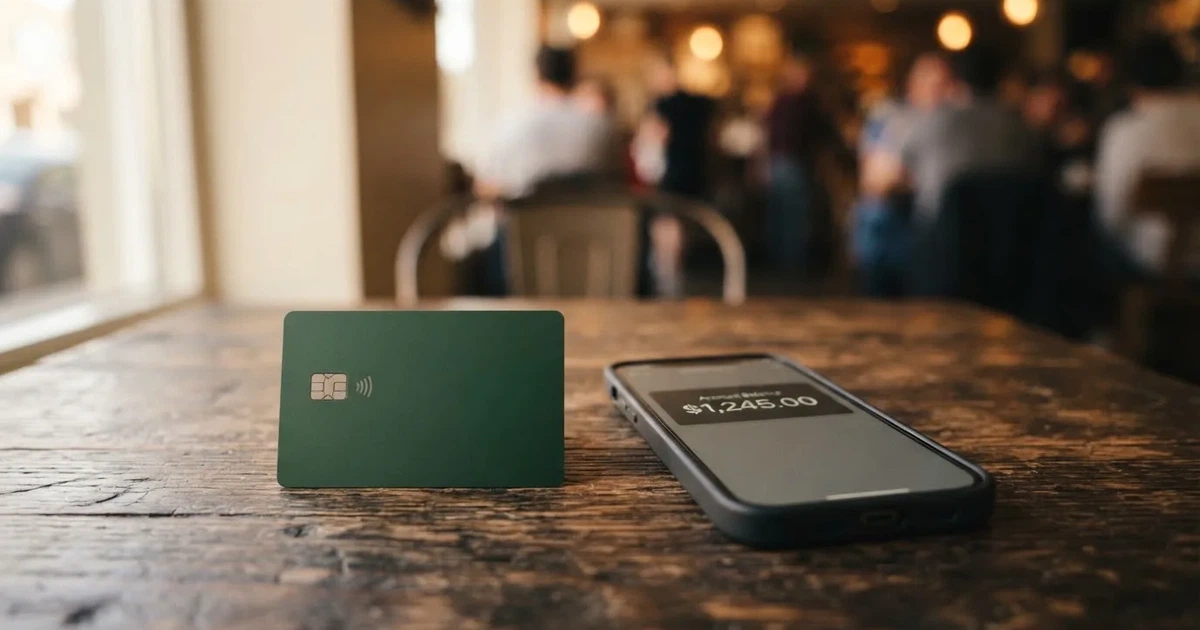
The service says it operates in more than 180 countries, with the global digital Mastercard available in 150+ of them and regional cards limited to narrower lists. I went through the published fee pages, the card terms and the user reports on Trustpilot to put together this review.
Conditions on this page are current as of October 28, 2026.
Verdict
Volet is a workable option if you cannot get a regular bank card and you already use Volet as a wallet, but it is not cheap and the issuer is not publicly named, which is worth knowing before you load a large balance.
Score: 6.0 / 10.
| Criterion | Mark | Why |
|---|---|---|
| Who can get it | 8 / 10 | Service in 180+ countries; global digital Mastercard in 150+ countries; regional cards for Asia-Pacific and Europe |
| Cost | 4 / 10 | Issuance $1 to $5; loading from the e-wallet 1% to 2.5% plus a flat fee; funding the wallet by card costs 3.5% |
| Top-up options | 6 / 10 | Cards load only from the Volet fiat wallet; USDT, USDC, BTC, ETH and others can be deposited and converted; networks are not published |
| Reliability and complaints | 5 / 10 | Issuer and contracting entity are not named; Trustpilot 4.1/5 across 965 reviews, with complaints about fees, verification limits and undelivered cards |
| Everyday use | 7 / 10 | Digital and plastic Mastercard and Visa, Apple Pay and Google Pay on some cards, ATM charges not officially disclosed |
The card makes most sense for someone who wants a regional Mastercard funded from a fiat balance and is comfortable paying 1% to 2.5% plus a small flat fee each time the card is loaded. It is a worse fit if you want to know exactly which bank is behind your card, if you want to spend directly from a self-custody wallet, or if you move money often enough that loading fees will add up.
Who they will give the card to
The Volet service is published as being available in more than 180 countries, but the card itself is narrower. The global digital Mastercard is offered in 150+ countries, while the Asia-Pacific plastic Mastercard and the Europe Visa or Mastercard cards are limited to specific regional lists. The Asia-Pacific card targets Australia, Cambodia, Japan, Malaysia, New Zealand, the Philippines, Singapore, South Korea, Thailand and Vietnam. The Europe cards target EU residents along with Switzerland and Norway, and Turkey and Israel for the Visa version. The page wording is “region”, not citizenship or residence, and the difference between those is not stated on Volet’s own pages.
Third-party card guides (unofficial, not confirmed by Volet directly) list 29 restricted countries in total, with the United States, the United Kingdom, Puerto Rico, Cuba, Iran, Syria and North Korea called out specifically. If you are reading this from one of those places, do not assume availability until you have seen the card on offer in your own account.
Basic wallet functions, such as holding a balance, do not require full identity verification. Cards, higher limits, full fiat withdrawals and the rest of the feature set are unlocked only after you go through KYC, which Volet says usually takes a few minutes. The documents needed (identity, selfie or liveness check, proof of address, source of funds) depend on the programme and are not listed in one place. Unofficial third-party reports say the Asia-Pacific programme requires proof of residential address in one of the named countries.
Key points at a glance
- Service footprint is wide; the card footprint is narrower and varies by region
- Basic wallet use is possible without KYC; cards are not
- The difference between “country of residence” and “citizenship” is not explained on Volet’s own pages
How to get it
Sign-up is web or mobile. The Android app is published in Google Play; an iOS app is shown in the app store badges but the page itself says iOS is “coming soon”, so treat iOS as not yet generally available at the time of writing. Store ratings are not stated.
You start by creating a Volet account, after which you can use the basic wallet. To move from there to a card, you complete verification, which is the same step that unlocks card funding, higher limits and fiat methods without restrictions. Once verified, you choose a card product:
- Global digital Mastercard (USD)
- Asia-Pacific plastic Mastercard (USD)
- Europe Virtual Visa or Mastercard (USD or EUR)
- Europe Plastic Visa or Mastercard (USD or EUR)
Issuance costs and monthly fees are covered in the next section. For the plastic cards, the order page says delivery is “free or express” and does not give a price or a delivery window. Unofficial third-party guides put replacement cards at $19.95 for the Digital, $1 to $5 for Europe, and $120 for Global Plus, and do not state a delivery time; treat those figures as unofficial.
Practical checks before you apply
- Confirm the exact card listed in your account is available for your country; the country list is the same as the regional programmes above
- Have a usable identity document and, for Asia-Pacific, a recent proof of address in the country you are applying from
- Decide your funding currency (USD or EUR) up front, because the card is tied to that balance
Fees: what it really costs
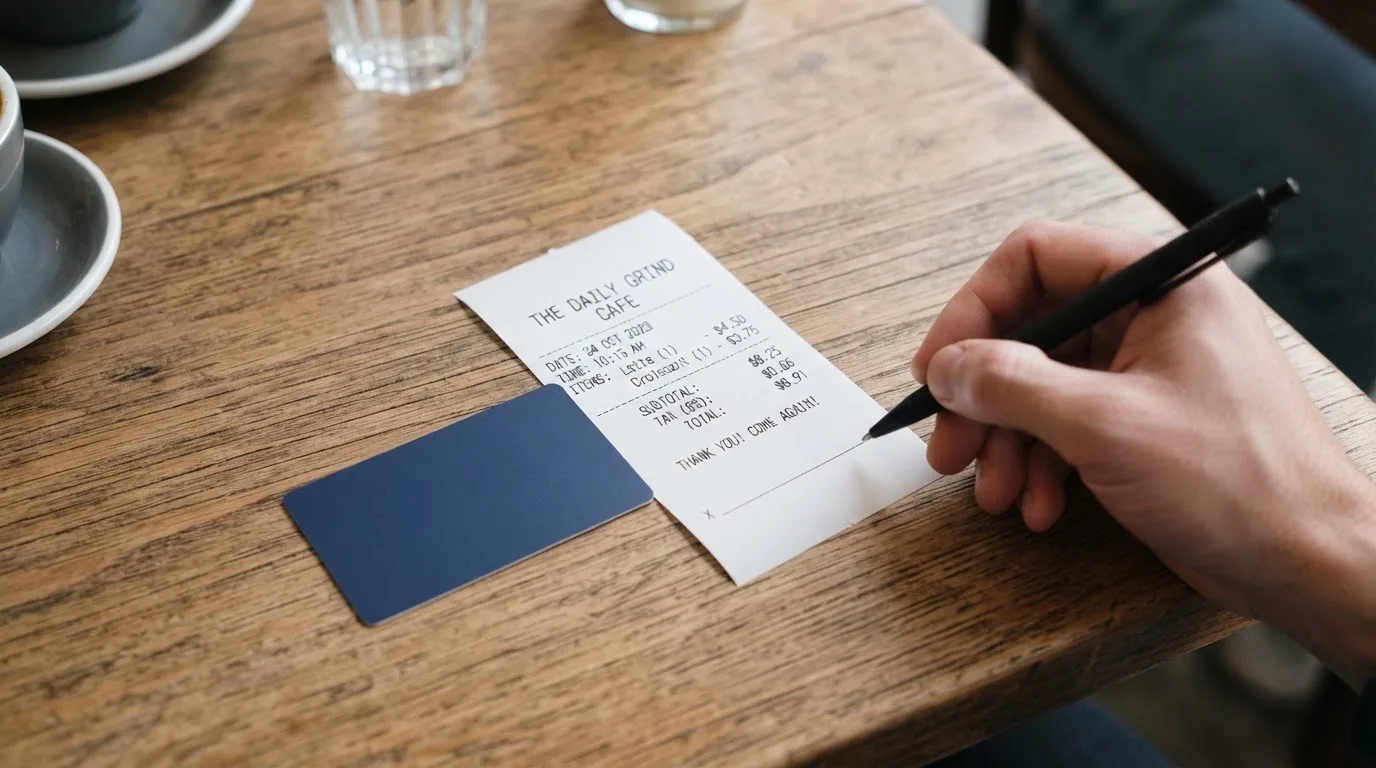
Issuance is cheap, but the loading fees and the fiat top-up fee are where the cost adds up. There is no monthly card fee, and Volet’s FAQ states there are no monthly fees; I could not find an inactivity or closure fee in the published materials.
| Fee or limit | Amount |
|---|---|
| Issuance, Global digital Mastercard | $5 |
| Issuance, Asia-Pacific plastic Mastercard | $5 |
| Issuance, Europe Virtual | 1 USD or EUR |
| Issuance, Europe Plastic | 5 USD or EUR |
| Monthly card fee | None (per FAQ) |
| Load from Volet e-wallet, Global digital | 2.5% + $1 |
| Load from Volet e-wallet, Asia-Pacific | 1.5% + $1 |
| Load from Volet e-wallet, Europe | 1% + 1 USD/EUR |
| Crypto deposit to Volet crypto wallet | Free |
| Auto-conversion to USD/EUR (USDT/USDC) | $1 |
| Auto-conversion to USD/EUR (BTC, ETH, others) | Free |
| Fiat card top-up to the Volet e-wallet | 3.5% |
| POS / FX on the Global digital Mastercard | “No extra fee (Mastercard rate)” |
| POS fee, Europe cards | “No POS fee” |
| ATM withdrawal | Not officially disclosed |
To make those numbers less abstract, here is how three everyday payments would play out, on the assumption you are funding the card from crypto each time.
Coffee in a local currency, Global digital Mastercard. You convert $20 of USDT to USD inside Volet; auto-conversion costs $1. You then load $20 to the card, which costs 2.5% + $1, so $0.50 + $1 = $1.50. The merchant sees no FX fee on the card side because the balance and the merchant currency are both USD. The total cost on this $20 spend is $2.50, comprising the load fee and the conversion cost.
Groceries in euros, Europe Virtual card. You deposit €100 of USDC, convert to EUR (€1 flat on USDT/USDC) and load the card at 1% + €1, so €1 + €1 = €2. POS is “no POS fee” per the published terms. Total cost: €3 on a €100 spend, or 3%.
Larger purchase, Asia-Pacific plastic. You convert BTC to USD for free, then load the card at 1.5% + $1. Mastercard handles any FX if you spend in a non-USD currency at the network rate.
The pattern is the same in all three cases: a small flat conversion fee (or free for BTC/ETH), then a percentage-and-flat load fee, then the card spend. If you load frequently and in small amounts, the flat $1 component dominates, which is one of the louder complaints in user reviews.
Limits that matter
Volet publishes per-purchase limits: up to $50,000 on the global digital and up to $22,000 per purchase on the Asia-Pacific card with a $6,500 daily load cap. Europe limits are not listed. Monthly caps and ATM limits are not stated on the official card pages. Unofficial third-party guides give ATM withdrawal limits of $500 per day on the Digital, €/$500 per withdrawal and €/$2,500 per day on Europe, $550 per withdrawal and $1,650 per day on Asia-Pacific, and $1,000 per withdrawal, $3,000 per day and $20,000 per month on Global Plus, with monthly purchase caps of $200,000 on the Digital and $22,000 loading on Asia-Pacific. Those figures are unofficial and not confirmed by Volet, so check inside your own account before relying on them.
Top up: how to fund the card
The card pulls only from the Volet fiat e-wallet, so the question “how do I top up the card” has two steps: how to get money into the wallet, and how to load the card from that wallet. The published fees for those two steps are different and worth keeping separate.
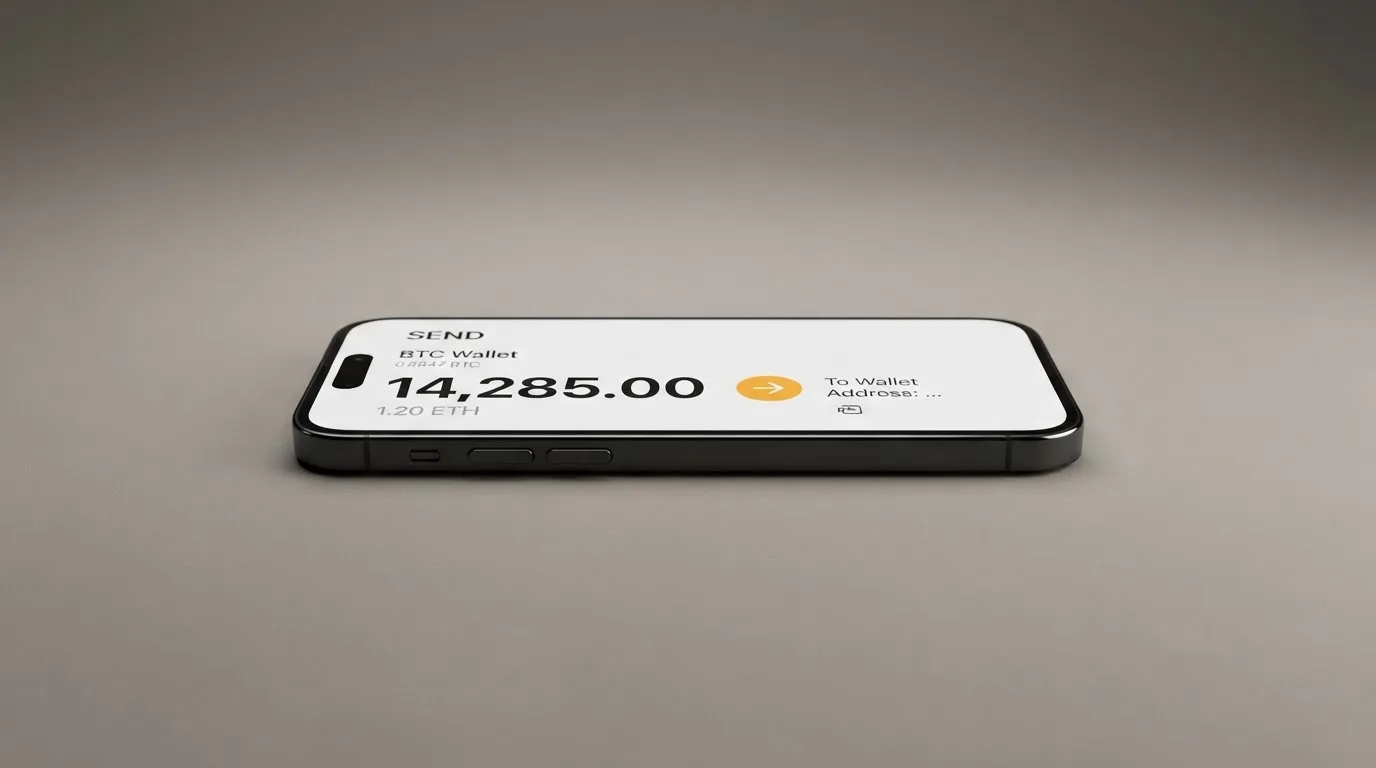
You can fund the wallet with a regular Visa or Mastercard bank card at a 3.5% fee, or with crypto. Crypto deposits go to a separate crypto wallet inside Volet. The list of supported coins includes USDT, USDC, BTC and ETH, alongside others. From the crypto wallet you can move balances to a USD or EUR fiat balance or to a stablecoin-denominated balance, at which point the card can be loaded. Auto-conversion of USDT or USDC to fiat costs $1, while converting BTC, ETH or other listed coins is free. The minimum top-up amount is not stated.
The card’s balance is a single fiat currency: USD on the global digital and on Asia-Pacific, and either USD or EUR on the Europe cards. There is no published multi-currency balance, and the FX on the global card is the Mastercard rate with “no extra fee” added on top. Volet describes wallet-to-wallet exchanges as happening at “near-market” rates, with no spread or fee figure given.
What is missing
- Networks for USDT and USDC deposits are not named on the official pages, even though the choice of network changes the cost and speed of the deposit and the chance of it being lost
- SEPA and other bank top-up fees are not stated
- The minimum top-up amount is not stated
The combination of “deposit on the right network” and “convert in the right direction” is where most first-time card users lose money to a wrong chain or a wrong conversion path.
Paying with it every day
Where you can use the card depends on which one you have. Mastercard-issued cards work wherever Mastercard is accepted, and the Visa versions of the Europe cards work wherever Visa is accepted. Some of the cards support Apple Pay and Google Pay; unofficial third-party guides say the Digital and the Spend Virtual do, that Europe support is not advertised, and that Asia-Pacific and Global Plus do not support the mobile wallets. Treat those specifics as unofficial until your own card page confirms them. Blocked merchant categories are not stated on Volet’s pages, so a casino or a betting site that you can use today may be blocked tomorrow if the policy changes.
There is no cashback programme. A referral programme is published as “coming soon”, with 2 USD/EUR per activated digital card and 5 USD/EUR per activated plastic card, but it is not live at the time of writing.
In day-to-day terms, the most common friction points are not Volet-specific: a card that is prepaid may be declined at hotels or car-rental desks that expect a credit card, foreign-issued BINs sometimes get extra scrutiny from merchants, and online checkouts that rely on Address Verification Service tend to be US, Canada and UK only. None of these are reasons to reject Volet specifically, but they are reasons to keep a second card as a backup.
Things that work in your favour
- Mastercard and Visa are accepted almost everywhere
- The card cannot overdraw, because it is a prepaid product drawing on a stored balance
- Apple Pay and Google Pay are available on at least some of the cards, which keeps the physical card optional
What can go wrong
Three things come up often enough to be worth a section of their own: who actually issues the card, what the published security story is and does not say, and what users actually report.
The issuer is not named
The cards and personal pages show Volet in the footer. The card issuer is not named on those pages. There is a separate agreement published per region (for example “Agreement Canada” and “Agreement Costa Rica”), which suggests the contracting entity differs by region. The company behind Volet is, by unofficial third-party reporting, the former ADVcash, but the card-issuing banks and e-money institutions that stand behind the card programmes are not publicly named. Licences are not stated on the cards pages.
In practice this means you do not know which institution holds your funds, which regulator oversees them, or which deposit-guarantee or safeguarding regime, if any, applies. Funds in a custodial e-wallet are not the same as bank deposits and are not necessarily covered by a deposit guarantee scheme, even where the e-wallet itself is regulated.
Security is described in marketing terms
Volet lists PCI-DSS, GDPR, SSL and ISO badges, and describes “multi-layer security, encryption, access controls and continuous monitoring”. Two-factor authentication, card freeze inside the app and spending controls are not stated on the cards pages, and safeguarding or insurance of customer funds is not stated. As a custodial e-wallet, the funds are held by Volet; you cannot move them to a self-custody wallet without withdrawing.
What users actually say
Volet has a Trustpilot score of 4.1 out of 5 across 965 reviews (read on 2026-10-20), with 72% of reviewers giving 5 stars and 16% giving 1 star. The recurring complaints are:
- High fees, especially for moving euros in and for the total wallet-to-card cost
- Verification and withdrawal limits, with UK users in September 2026 reporting an inability to fully verify
- Transactions blocked from India in January 2026 without an explanation
- Funds sent to an old wallet address in August 2026 (a reminder that blockchain transfers are irreversible)
- Cards not arriving (September 2026, 1-star)
- Bank-statement PDFs being rejected as proof of address (March 2025), with Volet pointing to the issuing partner as the decision-maker
The card-related complaints are concentrated around the loading cost and around delivery. None of the user reports describes a programme-wide outage or a loss of customer funds at the platform level, but the share of 1-star reviews is high enough to take seriously.
What to take instead
Volet’s score sits in the same band as a few other prepaid or e-wallet-backed cards. The table below compares them on the points the official pages actually publish, with the understanding that the underlying score for each alternative is taken from a separate review and is not a direct comparison.
| Alternative | Score | Card type | Where it works | Notable cost | Notable reward |
|---|---|---|---|---|---|
| Bitrefill | 6.8 / 10 | Virtual and physical Visa | Eligibility “subject to criteria”; card currency EUR | Card “free through the app”; inactivity fee after 12 months (amount not stated) | 2% total cashback: 1% on each crypto deposit, 1% on each purchase |
| UPay | 6.1 / 10 | Virtual and physical, personal and business; network not named | “180+ countries” with restrictions; KYC partner accepts only same-country ID | Card-level costs not stated on the page | No card cashback stated |
| Kemy | 6.0 / 10 | Unlimited virtual Visa plus one physical Mastercard | “190+ countries”, eligibility checked at sign-up | Virtual $15 to issue, $2/month; physical $250 issue with DHL, $10/month; top-up $1.50 under $100 or 1.25% from $100; 3.5% + $1 per transaction | Cashback not mentioned |
Bitrefill’s edge is the cashback and the free card, if you live in one of its supported countries. UPay is structurally similar to Volet but is even less specific on the cost page. Kemy is the most expensive of the three and is mainly interesting for the unlimited virtual cards and the single physical contactless Mastercard.
Who I would recommend it to
Volet fits a specific reader: someone who already has a Volet wallet, who is in one of the supported regions for the card they want, and who can absorb a 1% to 2.5% load fee plus a small flat fee on each top-up. It also fits someone who needs a regional Mastercard in a country where a normal bank card is hard to get and who is comfortable not knowing exactly which institution stands behind the card.
I would not recommend it to anyone who loads small amounts often (the flat $1 component will eat into them), to anyone who wants a known and named card issuer, to anyone who needs to spend directly from a self-custody wallet without the funds ever sitting in a custodial balance, or to anyone who relies on detailed, public ATM limits and fees before they open an account.
If you do go ahead, the single most useful habit is to batch loads so the flat fees are spread across a larger amount, and to check the network you are sending USDT or USDC on before you send. Volet does not publish the supported networks, so the safest first move is to send a small test amount.
Frequently asked questions
What is the Volet card?
The Volet card is a prepaid Mastercard or Visa tied to a Volet e-wallet. You fund the wallet with a bank card or with crypto, convert inside Volet if you started in crypto, and the card spends the resulting fiat balance.
How does the Volet card work?
It is a prepaid card. Crypto goes into the Volet crypto wallet, is converted to USD or EUR, and is then loaded onto the card at a percentage plus a small flat fee. The card cannot overdraw because it draws only on the stored balance.
Is Volet a bank?
Volet is not described as a bank on its own pages. It is a custodial e-wallet and card programme, and the card-issuing bank or e-money institution is not named publicly.
Who owns Volet?
The company behind Volet is not stated on the cards or personal pages. Third-party guides say Volet is the rebrand of the former ADVcash, but that is unofficial reporting rather than a statement from Volet.
Is the Volet card available in the United States?
Unofficial third-party guides list the US, the UK, Puerto Rico, Cuba, Iran, Syria and North Korea among 29 restricted countries. Treat the card as not available in the US until you see it offered in your own account.
Do I need KYC to get a Volet card?
Basic wallet use is possible without full KYC. Cards, higher limits, full fiat withdrawals and the rest of the feature set require verification, which Volet says usually takes a few minutes.
How do I add the Volet card to Apple Pay or Google Pay?
Unofficial third-party guides say Apple Pay and Google Pay work on the Digital and Spend Virtual cards, are not advertised for Europe and are not supported on Asia-Pacific or Global Plus. Check the specific card’s own page before you try, and assume unsupported until you see confirmation.
How do I top up the Volet card?
The card is loaded only from the Volet fiat e-wallet. Fund the wallet with a bank card (3.5%) or with crypto (deposit free, conversion $1 for USDT/USDC and free for BTC/ETH and others), then load the card at 1% to 2.5% plus a small flat fee depending on the card.
Is the Volet card free?
Issuance is $1 to $5 depending on the card, there is no monthly fee, but loading is not free. Loading the card from the e-wallet costs 1% to 2.5% plus a small flat fee, and funding the wallet by bank card costs 3.5%.
How do I withdraw money from Volet?
You can spend it on the card, withdraw fiat from the Volet e-wallet to the Volet card (1%), to a Visa or Mastercard (3%), by SWIFT (1% + $25), by SEPA (1%), to a local bank (1%) or via P2P (free). Crypto can be sent from the crypto wallet at network cost, or from a fiat or stablecoin balance at 0.5% plus a per-chain fee.
Virtual cards – cryptocardsearch.com
Content created by the «cryptocardsearch.com» team